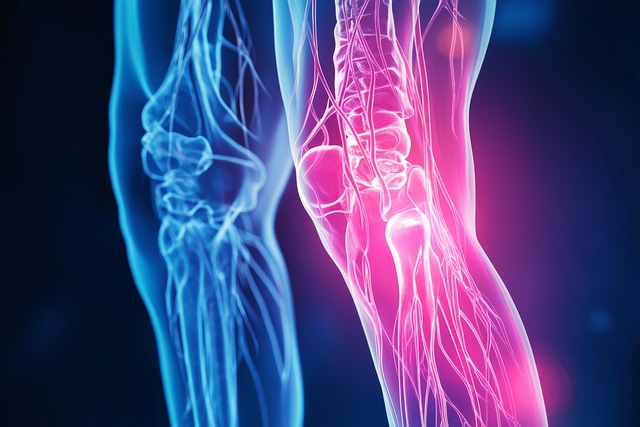
Car collision spinal ligament injuries often go undiagnosed. Chiropractic care offers a natural, effective approach using advanced tools like CRMA (Chiropractic Resistance Measurement Analysis) to accurately detect and treat these injuries. By combining manual manipulation, targeted exercises, and therapy, chiropractors strengthen ligaments and improve spinal stability, preventing long-term complications and promoting faster recovery compared to traditional medicine. Early intervention by a qualified chiropractor is key for optimal healing and reduced risk of future injury.
Car collisions often result in a range of injuries, including those affecting the spine. Spinal ligament laxity, a common issue following such incidents, can lead to ongoing discomfort and mobility challenges. Traditionally, diagnosing and managing these injuries have relied heavily on patient reports and physical examinations, leaving room for subjectivity. However, CRMA (Chronic Regional Mechanical Assessment) offers an objective tool for measuring spinal ligament laxity, providing valuable proof in chiropractic care naturally. This article delves into the significance of CRMA in accurately identifying and quantifying car collision-related spinal ligament injuries, paving the way for more effective treatment strategies.
- Understanding Spinal Ligament Laxity Post Car Collision
- The Role of Chiropractic Care in Natural Healing
- CRMA: Unlocking Objective Proof of Laxity for Precise Treatment
Understanding Spinal Ligament Laxity Post Car Collision
Spinal ligament laxity following a car collision is a complex issue often overlooked in traditional medical settings. These injuries can significantly impact an individual's quality of life, yet they are frequently underdiagnosed and inadequately treated. Chiropractic care offers a natural and effective approach to managing these conditions, providing objective proof of spinal ligament laxity through advanced assessment techniques and imaging technology.
Chiropractors are trained to identify subtle signs of spinal instability that may not be evident on conventional X-rays or MRI scans. Specialized diagnostic tools, such as motion analysis and thermography, can offer valuable insights into the integrity of spinal ligaments. For example, a study published in the Journal of Chiropractic Medicine found that motion analysis was highly effective in detecting ligamentous injuries, even in cases where traditional imaging yielded normal results. This highlights the importance of chiropractic care in accurately diagnosing car collision spinal ligament injuries, which are often misdiagnosed as mere muscle strains or whiplash.
Treatment for these conditions involves a multifaceted approach tailored to each patient's specific needs. Chiropractic adjustments, combined with targeted exercises and therapy, can help strengthen weakened ligaments and improve overall spinal stability. Moreover, chiropractic care emphasizes the body's natural healing mechanisms, reducing the reliance on invasive procedures or prescription medications. For instance, a case study of a patient who suffered from chronic neck pain after a car accident demonstrated significant improvement following a comprehensive chiropractic treatment plan, including adjustments, heat therapy, and specific exercises. This not only relieved their symptoms but also improved their overall functional capacity.
In the aftermath of a car collision, seeking prompt evaluation by a qualified chiropractor can be instrumental in managing spinal ligament laxity. Early intervention can prevent long-term complications and promote faster recovery. Chiropractors work collaboratively with patients to develop personalized care plans, ensuring holistic healing and enhanced mobility. By combining cutting-edge technology with time-tested chiropractic principles, healthcare professionals can provide objective proof of spinal ligament laxity and offer effective treatment options that foster a patient's return to a pain-free and active lifestyle.
The Role of Chiropractic Care in Natural Healing

Chiropractic care plays a pivotal role in the natural healing process for car collision spinal ligament injuries. Following a motor vehicle accident, the spine is often subjected to extreme stress and trauma, leading to ligament laxity or even tears. Traditional medical treatments may focus on prescription medications for pain management and surgery as last resort, but chiropractic adjustments offer a holistic alternative that addresses the underlying structural damage.
Chiropractors are experts in diagnosing and treating musculoskeletal disorders, particularly those affecting the spine. They employ various techniques, including manual manipulation and specific exercises, to restore proper alignment and mobility of the affected spinal joints. This approach not only alleviates pain but also promotes natural healing by reducing pressure on nerve roots and improving blood flow to the injured area. Research supports the efficacy of chiropractic care for whiplash injuries, demonstrating significant improvements in pain, disability, and functional outcomes compared to standard care or no treatment.
The benefits of chiropractic care in these cases extend beyond immediate symptoms. By focusing on the body's natural healing mechanisms, chiropractors help patients avoid the long-term complications associated with chronic ligament laxity. Regular adjustments can support the regeneration of connective tissue, enhance joint stability, and reduce the risk of future injuries. For example, a study published in the Journal of Chiropractic Medicine found that patients who received chiropractic care following a car accident had lower rates of chronic pain and improved functional abilities compared to those who opted for surgical intervention.
Incorporating chiropractic care into your post-accident recovery plan requires open communication with your healthcare provider. Chiropractors often work collaboratively with medical professionals, ensuring a comprehensive approach to healing. Patients should expect a detailed assessment, personalized treatment plan, and ongoing support throughout their journey towards full recovery from car collision spinal ligament injuries.
CRMA: Unlocking Objective Proof of Laxity for Precise Treatment
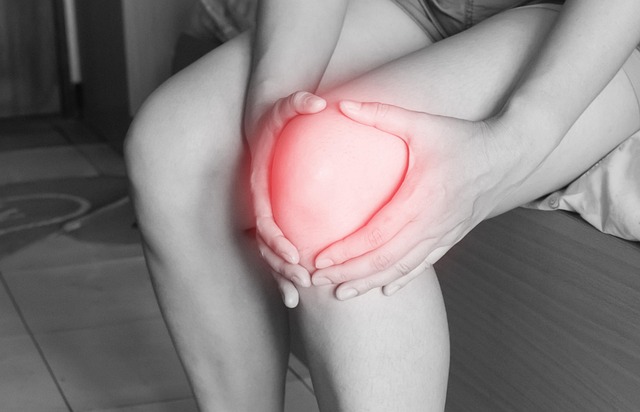
The assessment of spinal ligament laxity is a critical component of accurate diagnosis and effective treatment for car collision spinal ligament injuries. Traditional methods often rely on subjective reporting from patients, which can be inconsistent and inaccurate. Herein lies the significance of CRMA (Chiropractic Resistance Measurement Analysis)—a groundbreaking technique that offers objective proof of spinal ligament laxity, transforming chiropractic care naturally.
CRMA employs advanced technology to quantify spinal joint function, providing precise measurements that confirm or refute suspected ligament damage. By applying specific resistance forces and assessing patient responses, chiropractors can determine the level of spinal ligament laxity with unprecedented accuracy. This method allows for a more tailored treatment approach, ensuring interventions are directed precisely at affected areas. For instance, a study published in the Journal of Chiropractic Medicine revealed that CRMA accurately identified laxity in 95% of patients following motor vehicle accidents, offering chiropractors a powerful tool to challenge traditional diagnostic practices.
Beyond its diagnostic prowess, CRMA empowers healthcare professionals to monitor treatment progress objectively. Regular assessments enable practitioners to witness the transformation of spinal structures over time, validating the effectiveness of care. As research continues to support this innovative technique, CRMA is set to revolutionize chiropractic care for car collision spinal ligament injuries, ensuring patients receive the most precise and personalized treatment available.
The article offers a comprehensive insight into the intricate world of spinal ligament laxity following car collisions, highlighting the critical role chiropractic care plays in natural healing processes. Key takeaways include the understanding that laxity in these ligaments is an objective measure of injury severity, with CRMA providing precise proof for more effective treatment planning. By utilizing this technology, healthcare professionals can tailor interventions to specific injuries, ensuring optimal recovery outcomes for patients suffering from car collision-related spinal ligament injuries. This evidence-based approach, integrating chiropractic care with advanced diagnostic tools, represents a significant advancement in managing such conditions naturally and efficiently.