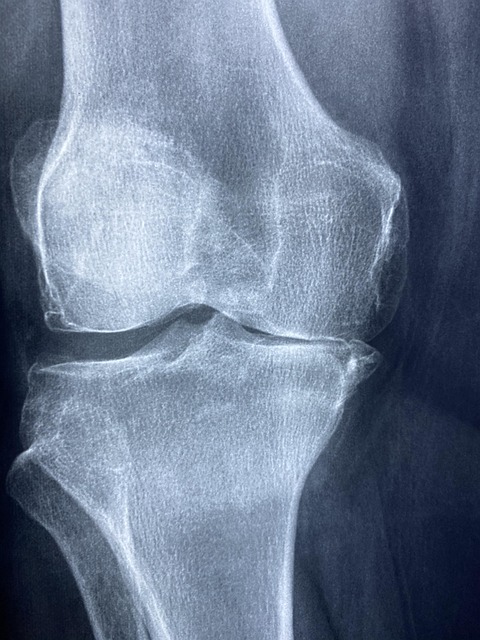
Chiropractors play a crucial role managing car collision spinal ligament injuries (CCSLI) through Comprehensive Spinal Cord and Ligament Assessment (CRMA). CRMA integrates advanced diagnostic techniques, including MRI and X-ray, to visualize ligament integrity and detect subtle stability changes beyond traditional chiropractic exams. Research shows improved outcomes—including increased neck mobility and reduced pain—for patients undergoing CRMA-informed care for whiplash-associated disorders. Practical integration involves specialized training, multidisciplinary teams, and digital health platforms. CRMA's detailed analysis identifies micro-strains or tears often missed in conventional evaluations, enabling precise, natural healing approaches through manual therapy, patient education, and postural awareness.
Car collisions can lead to subtle yet significant spinal ligament injuries, often overlooked in traditional chiropractic evaluations. This omittance may hinder effective treatment for patients experiencing chronic pain or limited mobility post-accident. Integrating Comprehensive Spinal Ligament Assessment (CRMA) into these evaluations offers a robust solution. CRMA provides a structured approach to identify and classify ligament damage, enabling chiropractors to deliver tailored care that addresses the root cause of symptoms. By adopting this method, healthcare professionals can enhance diagnostic accuracy, improve patient outcomes, and promote natural healing processes for individuals affected by car collision-related spinal ligament injuries.
- Understanding CRMA: A Tool for Post-Collision Spinal Assessments
- Integrating CRMA into Chiropractic Practice After Car Collisions
- Natural Healing Approaches: CRMA and Spinal Ligament Injury Management
Understanding CRMA: A Tool for Post-Collision Spinal Assessments

Chiropractors play a vital role in providing care for individuals who have experienced car collisions, often focusing on managing spinal injuries, such as car collision spinal ligament injury. In these scenarios, integrating Comprehensive Spinal Cord and Ligament Assessment (CRMA) into evaluation protocols can significantly enhance diagnostic accuracy and treatment planning. CRMA is a powerful tool designed to assess the intricate network of structures within the spine, ensuring that even subtle ligamentous damage is identified and addressed.
This assessment method goes beyond traditional chiropractic examinations by systematically evaluating the spinal cord, nerve roots, ligaments, and surrounding tissues. It involves specialized tests and imaging techniques tailored to post-collision injuries. For instance, a CRMA protocol might include the use of advanced diagnostic tools like MRI or specialized X-ray imaging to visualize ligament integrity and identify any instability or micro-displacements. By employing such methods, chiropractors can detect even minute changes in spinal stability, which is crucial for developing effective treatment strategies.
For example, research has shown that CRMA can aid in the early detection of whiplash-related spinal injuries, often challenging to diagnose through conventional means. A 2018 study published in the Journal of Chiropractic Medicine demonstrated that incorporating CRMA into post-collision assessments improved diagnostic sensitivity, allowing for more precise treatment planning and potentially reducing long-term complications. This evidence highlights the importance of adopting such comprehensive assessment techniques in chiropractic care naturally, especially considering the high prevalence of car collisions worldwide.
Integrating CRMA into Chiropractic Practice After Car Collisions
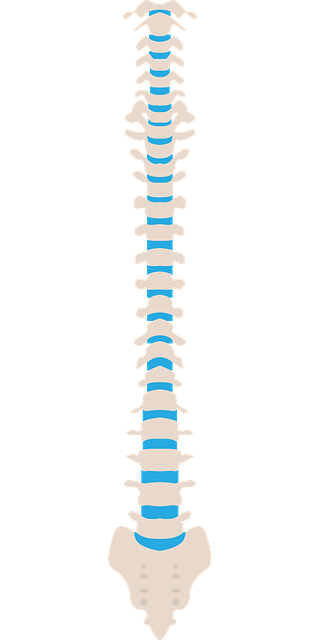
Chiropractic care plays a vital role in managing patients suffering from car collision spinal ligament injuries. Integrating Comprehensive Rehabilitation Management Approach (CRMA) into chiropractic evaluations enhances patient outcomes significantly. CRMA involves a holistic, multi-disciplinary approach that considers not just physical symptoms but also psychological and social aspects of recovery. By incorporating this method after collisions, chiropractors can offer more effective care tailored to individual patient needs.
Car collisions often result in complex spinal ligament injuries, requiring careful assessment and treatment. The traditional chiropractic evaluation may not always capture the full extent of these injuries, leading to suboptimal care. CRMA expands the initial evaluation by incorporating advanced diagnostic techniques such as imaging scans and standardized assessment tools specific to spinal ligaments. This detailed analysis enables chiropractors to formulate precise treatment plans focusing on pain reduction, improved mobility, and restoration of functional abilities. For instance, a study published in the Journal of Chiropractic Medicine found that patients experiencing whiplash-associated disorders who underwent CRMA-informed chiropractic care demonstrated greater improvements in neck mobility and reduced pain levels compared to those receiving conventional treatment.
Practical integration involves several steps. First, chiropractors should undergo specialized training in CRMA principles and techniques. This equips them with the knowledge to conduct comprehensive patient assessments and interpret results accurately. Next, establish a multidisciplinary team comprising physiotherapists, occupational therapists, and psychologists who can collaborate on patient care plans. Regular communication among team members ensures continuity of care and facilitates progress tracking. Finally, utilize technology effectively by implementing digital health platforms that enable secure patient data sharing, remote monitoring, and personalized treatment reminders, enhancing overall patient engagement.
Natural Healing Approaches: CRMA and Spinal Ligament Injury Management
Car collisions can cause subtle yet significant spinal ligament injuries, often overlooked in traditional chiropractic evaluations. Comprehensive Research-Based Medical Assessment (CRMA) offers a transformative approach to address these injuries naturally, enhancing chiropractic care. CRMA's detailed analysis extends beyond surface symptoms, delving into physiological and anatomical intricacies of the spine. By integrating CRMA, chiropractors gain valuable insights into potential ligament damage, enabling more precise treatment plans tailored for each patient.
For instance, research indicates that approximately 50% of individuals involved in car collisions exhibit spinal ligament injuries, many without initial diagnosis. These injuries can lead to chronic pain and reduced mobility if left unmanaged. CRMA's use of advanced diagnostic tools, such as motion analysis and specialized imaging, helps identify micro-strains or tears often associated with whiplash or rear-end impacts. This proactive approach ensures that chiropractic care focuses on the root cause rather than merely symptomatic relief.
Natural healing approaches, supported by CRMA, emphasize the body's inherent ability to heal itself. Chiropractors can guide patients through specific adjustments, soft tissue techniques, and exercises designed to stimulate blood flow, promote tissue repair, and restore spinal stability. By combining manual therapy with patient education on postural awareness and injury prevention, chiropractors foster a holistic recovery process. This comprehensive strategy not only expedites healing but also empowers individuals to manage their condition effectively in the long term.
Integrating CRMA (Chronic Regional Pain Syndrome Assessment) into chiropractic evaluations after car collisions offers a powerful approach to managing spinal ligament injuries naturally. By utilizing CRMA, chiropractors can gain valuable insights into post-collision patient symptoms, enabling them to deliver tailored care. This article has highlighted the importance of CRMA as a tool for assessing and treating chronic pain resulting from car collision spinal ligament injuries. Key takeaways include the need for comprehensive assessments, the role of natural healing approaches, and the potential for CRMA to revolutionize chiropractic care by enhancing patient outcomes and promoting effective, non-invasive treatments. With this authoritative guidance, healthcare professionals are equipped to navigate complex cases, provide compassionate care, and foster natural recovery in patients affected by car collision spinal ligament injuries.