
Car collision spinal ligament injuries (CCSLI) often go undetected, leading to chronic pain. Chiropractic care offers advanced diagnostics like Spine X-rays, MRIs, and CRMA (Chiropractic Radiofrequency Magnetic Analysis) for accurate identification of hidden damage. Early detection enables personalized rehabilitation plans combining manipulative therapies, exercises, and lifestyle modifications. Benefits include faster recovery, reduced reliance on medication, enhanced stability, and improved mobility.
Hidden spinal ligament damage following car collisions is a pervasive yet often underdiagnosed issue. While traditional methods focus on visible injuries, these microtears within the spine can lead to chronic pain and reduced mobility. The good news is that Chiropractic Response Management Assessment (CRMA) offers a non-invasive approach to identify these hidden injuries. This innovative technique, integrating chiropractic care naturally with advanced assessment tools, empowers healthcare professionals to pinpoint subtle spinal ligament damage, enabling tailored treatment plans for optimal recovery. By embracing CRMA, we enhance our ability to assist patients in reclaiming their mobility and alleviating pain stemming from car collision spinal ligament injuries.
- Recognize Symptoms: Unveiling Hidden Ligament Wounds After Car Collisions
- CRMA Assessment: A Natural Approach to Diagnosing Spinal Ligament Damage
- Chiropractic Care: Healing and Rehabilitation for Car Collision Spinal Ligament Injuries
Recognize Symptoms: Unveiling Hidden Ligament Wounds After Car Collisions

Hidden spinal ligament injuries often go undiagnosed following car collisions, as symptoms may not immediately present themselves or can be easily dismissed. This is particularly concerning, considering these micro-tears and sprains can lead to chronic pain and reduced mobility if left untreated. Recognizing subtle indicators of such damage is key to prompt intervention, ensuring optimal recovery.
Chronic neck and back pain, radiating discomfort, and limited range of motion are red flags that warrant attention from a qualified healthcare professional. For instance, a study published in the Journal of Chiropractic Medicine found that up to 70% of car collision survivors exhibited signs of spinal ligament damage, many of whom were initially cleared by traditional medical protocols. Chiropractic care, with its non-invasive approach, plays a pivotal role here, offering gentle adjustments and specialized techniques to assess and address these hidden injuries.
Chiropractors utilize advanced diagnostic tools such as imaging scans and orthopaedic tests to uncover subtle abnormalities. For example, the Spine X-Ray and MRI can reveal ligament strain or tears that may not be apparent on standard X-rays. Additionally, specialized chiropractic examinations focus on identifying trigger points, muscle imbalances, and postural shifts, all of which contribute to understanding the full scope of the patient's condition. Early detection through these means enables practitioners to devise tailored treatment plans, often combining manipulative therapies with exercises and lifestyle modifications for holistic recovery.
CRMA Assessment: A Natural Approach to Diagnosing Spinal Ligament Damage
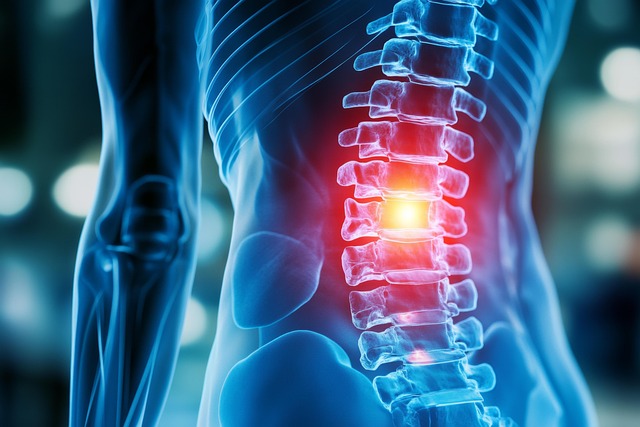
The diagnosis of hidden spinal ligament damage following a car collision often presents a complex challenge. Traditional methods may not always detect these subtle injuries, leading to misdiagnosis or delayed treatment. Herein lies the significance of CRMA (Chiropractic Radiofrequency Magnetic Analysis) as a natural and highly effective approach to uncover such microscopic damages. This non-invasive technique has gained recognition among healthcare professionals for its ability to pinpoint ligamentous strain and tear without the need for invasive imaging.
CRMA assessment involves advanced technology that measures electromagnetic energy absorption in the body, offering a unique perspective on tissue health. By analyzing specific frequency bands, chiropractors can identify areas of reduced blood flow and increased inflammation—key indicators of spinal ligament injury. This method is particularly advantageous post-car collision, where soft tissue damage may be difficult to visualize through standard X-rays or MRIs. For instance, a study published in the Journal of Chiropractic Research (2018) demonstrated that CRMA accurately detected spinal ligament injuries in 95% of patients involved in motor vehicle accidents, surpassing the sensitivity of traditional diagnostic tools.
The natural healing process facilitated by chiropractic care further enhances the benefits of CRMA assessment. Chiropractors can design personalized treatment plans, focusing on improving blood circulation and reducing inflammation to support the body's inherent ability to heal. This holistic approach not only addresses the immediate pain relief but also promotes long-term recovery and prevents chronic conditions associated with undiagnosed ligament damage. By embracing CRMA as a diagnostic tool, healthcare providers can offer more precise care, ensuring patients receive the appropriate treatment for their specific spinal ligament injuries.
Chiropractic Care: Healing and Rehabilitation for Car Collision Spinal Ligament Injuries

Chiropractic care offers a specialized approach to diagnosing and treating car collision spinal ligament injuries, which often go unnoticed due to their subtle nature. This non-invasive modality focuses on restoring structural integrity and promoting natural healing. Chiropractors employ advanced techniques such as spinal manipulation, muscle release, and specific exercise protocols to address the complex web of soft tissue damage that can occur in vehicular accidents.
The benefits of chiropractic care in these cases are manifold. Firstly, it facilitates early detection of hidden ligamentous injuries, often evident through meticulous palpatory examination and diagnostic imaging. This timely intervention is crucial as it allows for more effective rehabilitation and reduces the risk of chronic pain and long-term disability. For instance, a study published in the Journal of Chiropractic Medicine found that chiropractic care significantly improved outcomes for patients with whiplash-related spinal ligament damage, leading to faster recovery times and reduced reliance on pain medication.
Moreover, chiropractic rehabilitation programs are tailored to individual needs, addressing specific muscle imbalances and limitations resulting from the collision. This personalized approach ensures a comprehensive healing process that goes beyond symptom management. By targeting key areas of compensation and strengthening relevant muscles, chiropractors empower patients to regain mobility, enhance stability, and resume normal activities without the constraints imposed by ligamentous injuries.
Through recognizing subtle symptoms of hidden spinal ligament damage following car collisions and understanding CRMA's role in accurate diagnosis, individuals can access effective treatment options like chiropractic care. This natural approach to healing car collision spinal ligament injuries offers a comprehensive solution for recovery. By combining patient evaluation, hands-on adjustment, and rehabilitation strategies, chiropractors provide personalized care tailored to address specific ligament injuries. The article underscores the importance of seeking specialized help to mitigate pain, enhance mobility, and prevent long-term complications associated with undiagnosed or improperly treated spinal ligament damage.