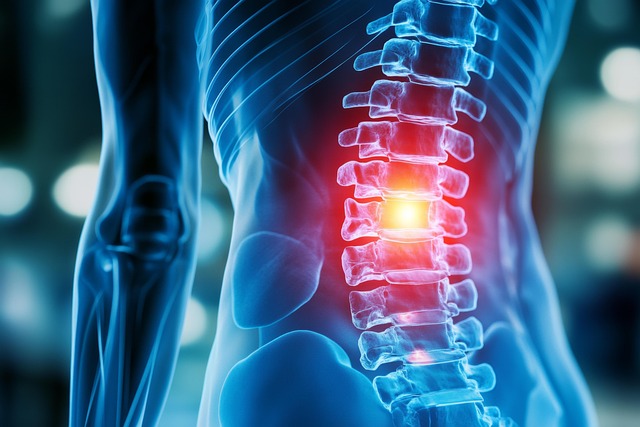
Car collisions can cause subtle spinal ligament injuries often missed in traditional medical assessments. Chiropractic care offers a holistic, non-invasive approach using advanced imaging and manual adjustments to accurately diagnose and treat these complex injuries, facilitating healing and recovery for patients with whiplash or other neck traumas without surgery. CRMA's meticulous process involves patient history, physical exam, X-rays, MRIs, and CT scans, ensuring proper evaluation and treatment for car collision-related spinal ligament injuries.
Uncover the revolutionary power of CRMA in accurately identifying spinal trauma, especially in the context of car collisions. This advanced technology focuses on uncovering subtle spinal ligament injuries often missed in traditional assessments. By integrating chiropractic care as a precision tool, CRMA offers a holistic approach to trauma assessment. Through a meticulous, step-by-step process, it ensures every detail is considered, enabling healthcare professionals to provide targeted treatments for car collision victims.
- Car Collisions: Uncovering Spinal Ligament Injuries
- Chiropractic Care: A Precision Tool for Trauma Assessment
- CRMA's Accurate Identification Process: Step-by-Step
Car Collisions: Uncovering Spinal Ligament Injuries
Car collisions can lead to a range of injuries, and spinal ligament damage is often overlooked. These intricate structures support and stabilize the spine, and injuries can result in significant pain and mobility issues. Chiropractic care plays a vital role in accurately identifying such subtle yet critical injuries.
Through advanced techniques and expertise, chiropractors assess and diagnose car collision-related spinal ligament injuries. They utilize specialized imaging and manual adjustments to uncover potential damage that may not be evident through standard medical scans. This holistic approach ensures that patients receive the appropriate care for their specific conditions, promoting healing and recovery after a traumatic event like a car accident.
Chiropractic Care: A Precision Tool for Trauma Assessment

Chiropractic care offers a precise and non-invasive approach to trauma assessment, especially in cases of car collisions where spinal ligament injuries are a concern. Chiropractors are trained to thoroughly evaluate the spine and its surrounding structures, focusing on identifying subtle misalignments or damage that might not be evident through traditional diagnostic methods.
By applying specific adjustment techniques and utilizing advanced imaging tools, chiropractors can accurately diagnose and treat spinal trauma. This approach is particularly beneficial for patients who may have experienced whiplash or other types of neck injuries in car accidents. Chiropractic care provides a gentle yet effective way to alleviate pain, improve mobility, and support the healing process without resorting to invasive procedures or extensive surgery.
CRMA's Accurate Identification Process: Step-by-Step

CRMA employs a meticulous process to accurately identify spinal trauma, ensuring proper evaluation and treatment for injuries like car collision-related spinal ligament damage. This step-by-step approach begins with a comprehensive patient history, where healthcare professionals gather detailed information about the incident, symptoms, and any pre-existing conditions.
Next, a thorough physical examination is conducted, focusing on the spine and surrounding areas. This includes manual manipulation and specific orthopedic tests to assess range of motion, pain response, and potential signs of spinal misalignment. Advanced imaging techniques such as X-rays, MRIs, and CT scans are then utilized to visualize internal structures, confirming or ruling out ligament injuries. Chiropractic care plays a pivotal role here, offering adjustments and manipulations to support the healing process and optimize patient outcomes.
In conclusion, CRMA's innovative approach to identifying spinal trauma, particularly through its focus on car collision spinal ligament injuries, highlights the transformative potential of chiropractic care. By employing a meticulous step-by-step process, CRMA ensures accurate trauma assessment, offering a reliable tool for healthcare professionals. This advanced method combines the insights from car collisions with the precision of chiropractic care, ultimately enhancing patient outcomes and revolutionizing spinal injury management.